In today's fast-paced world, finding moments of tranquility can be challenging. Meditation, an age-old practice, provides a sanctuary for the mind, promoting inner peace and overall well-being. By focusing attention and eliminating the stream of jumbled thoughts, meditation can enhance emotional health and improve various aspects of life.
Understanding Meditation
Meditation involves techniques that encourage heightened awareness and focused attention. It's a habitual process of training the mind to concentrate and redirect thoughts, leading to a clearer and more positive perspective. Regular practice has been linked to reduced stress, improved concentration, and increased self-awareness.
Types of Meditation
- Mindfulness Meditation: Focuses on being present in the moment, acknowledging thoughts and sensations without judgment.
- Transcendental Meditation: Involves silently repeating a specific mantra to achieve a state of profound relaxation and mental stillness.
- Loving-Kindness Meditation (Metta): Aims to cultivate feelings of love and compassion towards oneself and others.
- Body Scan or Progressive Relaxation: Encourages awareness of different body parts, promoting relaxation and tension release.
- Walking Meditation: Combines the physical benefits of walking with the mental benefits of meditation by focusing on the movement of the feet and the contact with the ground.
Getting Started with Meditation
For beginners, starting a meditation practice can seem daunting, but it doesn't have to be complicated. Here's a simple guide to help you begin:
- Start Small: Begin with short sessions of 3-5 minutes and gradually increase the duration as you become more comfortable.
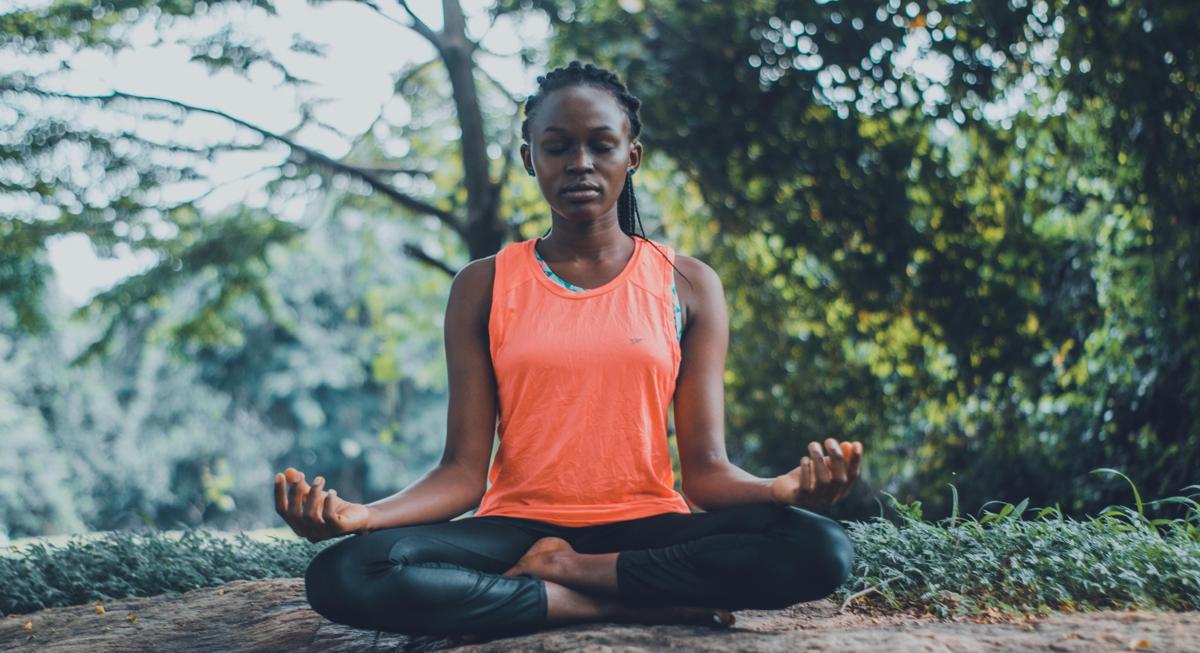
- Find a Comfortable Position: Sit or lie down in a comfortable position, ensuring your back is straight yet relaxed.
- Focus on Your Breath: Close your eyes and direct your attention to your breathing, noticing the inhale and exhale.
- Acknowledge Wandering Thoughts: It's natural for the mind to wander. When this happens, gently redirect your focus back to your breath without judgment.
- Establish a Routine: Consistency is key. Try to meditate at the same time each day to build a sustainable practice.
Benefits of Regular Meditation
Incorporating meditation into your daily routine can lead to numerous benefits, including:
- Reduced Stress and Anxiety: Meditation helps manage stress by promoting relaxation and a sense of calm.
- Improved Emotional Health: Regular practice can lead to a more positive outlook and better emotional well-being.
- Enhanced Self-Awareness: Meditation encourages a deeper understanding of oneself, fostering personal growth.
- Better Sleep: Practicing meditation can improve sleep quality, helping you fall asleep faster and enjoy more restful sleep.
- Increased Attention Span: Regular meditation can enhance concentration and the ability to focus.
Incorporating Meditation into Daily Life
Integrating meditation into your routine doesn't require significant time investment. Even a few minutes each day can make a substantial difference. Consider using guided meditation apps like Headspace, which offer structured programs and exercises to support your practice.
Remember, meditation is a personal journey. It's essential to find a practice that resonates with you and fits your lifestyle. With patience and consistency, meditation can become a valuable tool for enhancing your quality of life.
Sources:
Comments (1)